
International Association of Supreme Administrative Jurisdictions (IASAJ)

A. Background
The International Association of Supreme Administrative Jurisdictions (IASAJ) was set up in 1983 in Paris and the French Council of State invited supreme administrative jurisdictions around the world to attend the first Congress of IASAJ. The objective of IASAJ is to strengthen the rule of law by exchanging opinions and experience among members. In the beginning, there were 25 IASAJ members but the number has now grown to more than 80 jurisdiction members from all regions of the world. Members are equal and cooperate both at the bilateral and multilateral levels. French and English are the working languages of the association. In 2001, after its establishment, the Supreme Administrative Court of Thailand became a IASAJ member in 2001 replacing the Thai Council of State who assisted the Association during 1989 - 1998.
B. Activities of the Association
1. Congress:
The Congress is held every 3 years, depending on host readiness. Participants represent 89 jurisdictions - 62 members and 27 observers.
The Congress consists of:
1) A Roundtable Discussion in which participants, divided into three groups, exchange opinions on case studies so as to promote relevant technical knowledge which is later summarized in compendium;
2) A Board Meeting; and
3) A General Assembly.
Previous IASAJ Congresses and Board Meetings
December 1983 1st Congress, Paris, France
Topic : The Judicial Control of the Legality of Unilateral Acts of Public Administration
December 1984 Board Meeting, Paris, France
December 1985 Board Meeting, Cairo, Egypt
December 1986 2nd Congress, Tunis, Tunisia
Topic : The Access of the Public to Administrative Jurisdictions
December 1987 Board Meeting, Paris, France
December 1988 Board Meeting, Stockholm, Sweden
June 1989 3rd Congress, Helsinki, Finland
Topic : Proceedings before Administrative Courts
(The 3rd Congress was first time the Thai Council of State participated in a Congress)
June 1992 4th Congress, Luxembourg
Topic : The Legal and Practical Effects of Judgements made in Administrative Courts
March 1995 5th Congress, Rome, Italy
Topic : Provisional Emergency Measures and Expeditious Procedures
April 1998 6th Congress, Lisbon, Portugal
Topic : The Application of International Law by Administrative Judges
April 2001 7th Congress, Dakar, Senegal
Topic : The Safeguarding of Individual Rights and Liberties by Administrative Judges
(The Thai Supreme Administrative Court participated in this Congress replacing the Thai Council of State)
April 2004 8th Congress, Madrid, Spain
Topic : The implementation of the administrative courts’ decisions
April 2005 Board Meeting, Budapest, Hungary
April 2006 Board Meeting, Ljubljana, Slovenia
November 2007 9th Congress, Bangkok, Thailand
Topic : The Status of Administrative Judges
.jpg)
.jpg)
April 2008 Board Meeting, Vilnius, Lithuania
April 2009 Board Meeting, Ottawa, Canada
March 2010 10th Congress, Sydney, Australia
Topic : Legal review of administrative decisions of Government by Administrative Courts and Tribunal
April 2011 Board Meeting, Vienna, Austria
April 2012 Board Meeting, Abidjan, Côte d’Ivoire
April 2013 11th Congress, Cartagena, Colombia
Topic : The Administrative Judge and Environmental Law
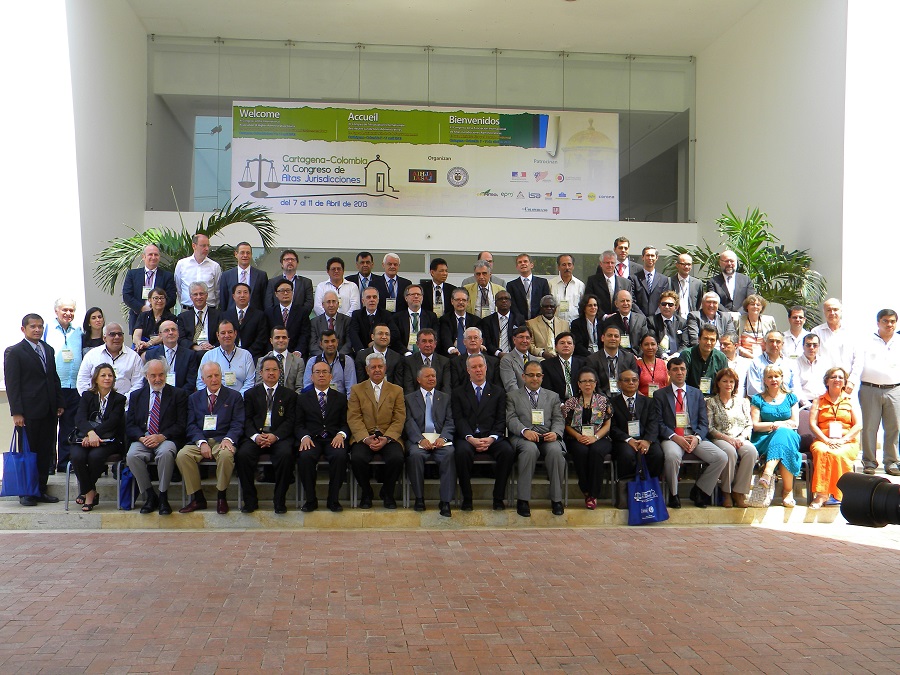
September 2014 Board Meeting, Warsaw, Poland
May 2016 12th Congress, Istanbul, Turkey
Topic : Alternative Resolution in Administrative Matters
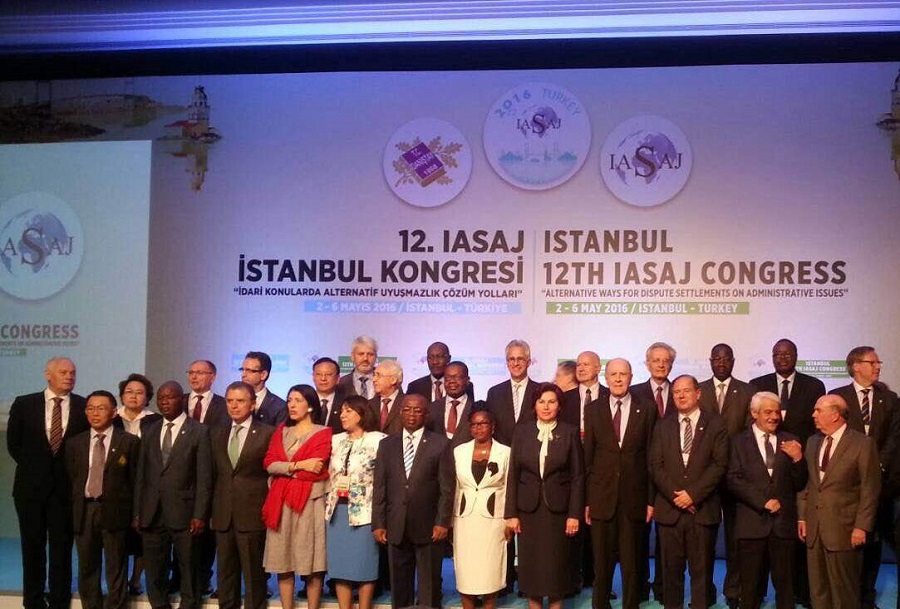
September 2017 Board Meeting, Venis, Italy
Topic : Electronic Access to the Courts
June 2019 13th Congress, Mexico City, Mexico
Topic : Public Law and New Digital Technologies
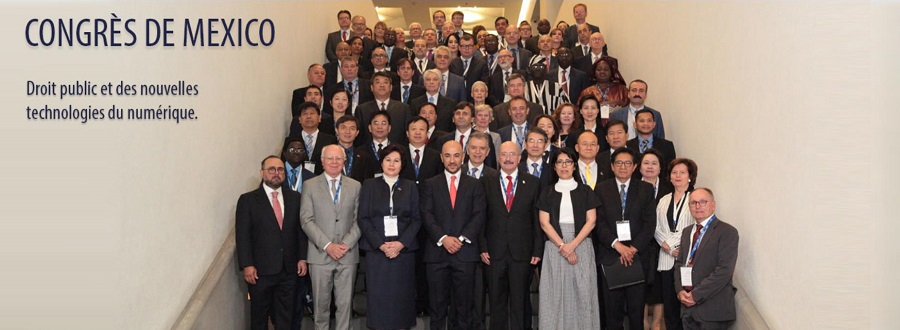
September 2020 Board Meeting , Athens, Greece
Topic : Judicial Ethics
(Due to the COVID-19 pandemic, the Supreme Administrative participated in the Board Meeting via teleconferencing)
June 2022 14th Congress, Brussels, Belgium
Topic : The Role of the Administrative Jurisdictions during the Coronavirus Crisis
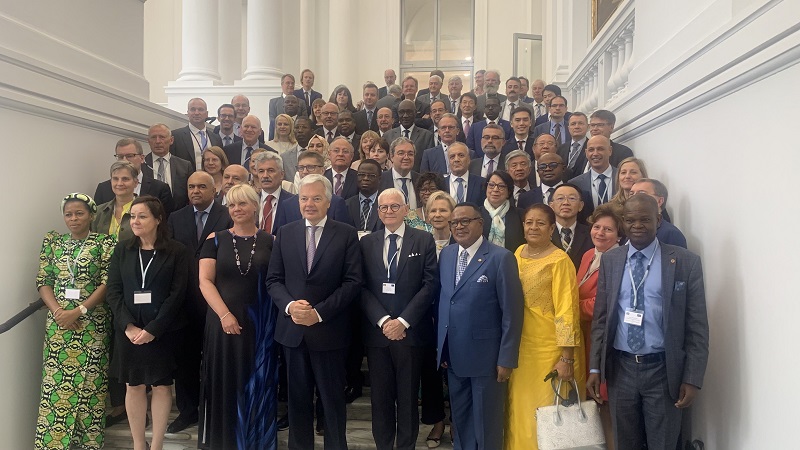
2. Board Meeting
According to the Statutes of the Association, the Board is comprised of 18 jurisdictions: 2 jurisdictions reviewing the previous and organizing the forthcoming congress and 16 members appointed for a period of 6 years. Of these 16, membership of half is renewed every 3 years in order that each member jurisdiction is attached to one of the geographical zones: Africa, Asia Pacific, American, European, and Maghreb-Middle East.
The Board meets at least once every 18 months but Board Meetings can be scheduled differently depending on the host readiness. Its agenda includes the approval of the minutes of the previous Board Meeting, an operation report covering activities, the judge exchange programme, internal organizational management, financial and audit reports, new member applications, the next meeting, and other matters which do not fall within the competence of the General Assembly or of the Management Committee.
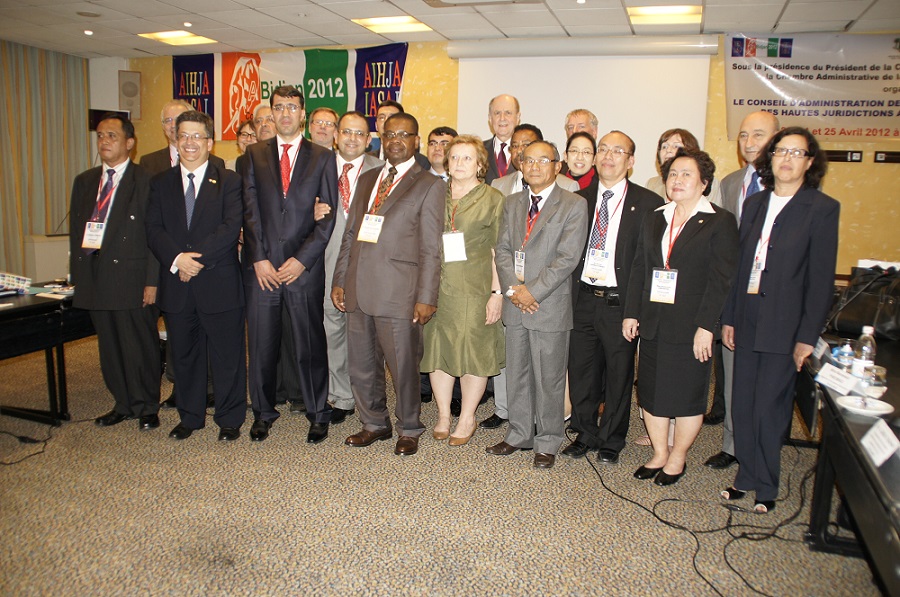
Board Meeting, Abidjan, Côte d’Ivoire in April 2012
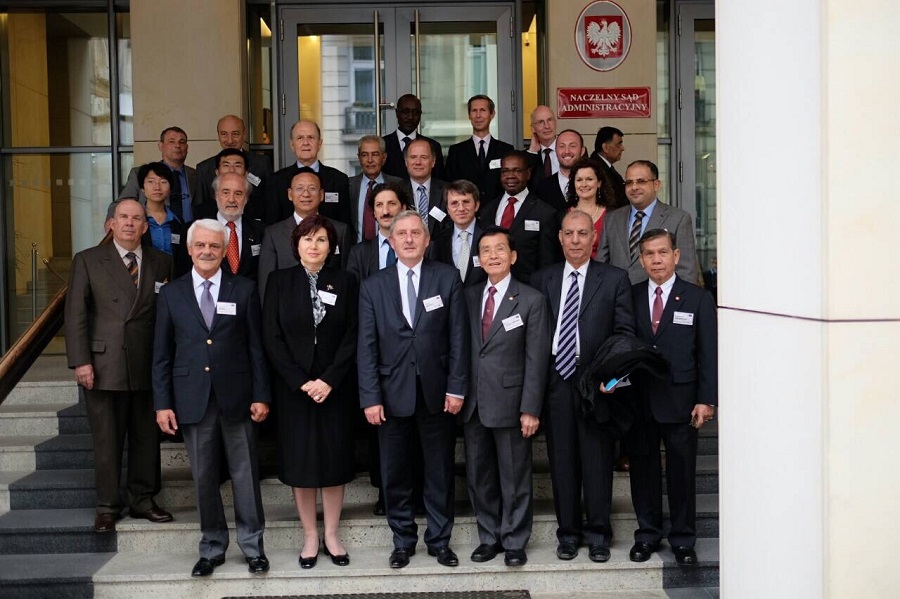
Board Meeting, Warsaw, Poland in September 2015
3. Management Committee
According to Article 17 of the Statutes, the Management Committee is composed of 7 members:
- a representative of the jurisdiction organizing the previous Congress;
- a representative of the jurisdiction organizing the forthcoming Congress;
- three members of the Board, appointed by at each renewal of the Board by the General Assembly;
- the Secretary-General; and
- the Treasurer.
The Management Committee convenes at least once a year. It monitors the execution of the General Assembly and Board’s decisions.
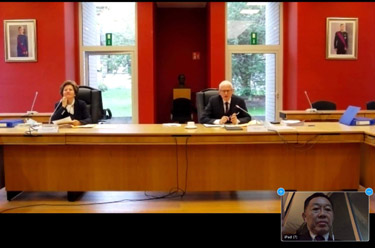
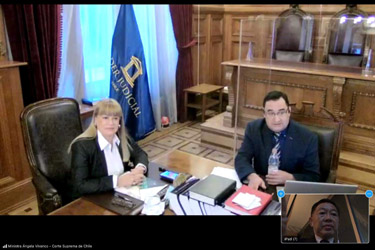
Management Committee, Brussels, Belgium in September 2021
4. Technical Cooperation Programme with the Association
At the 11th Congress, held from 7 – 12 April 2013 in Cartagena, Colombia, the General Assembly approved an exchange programme for judges of the supreme administrative jurisdictions members. The aim of the programme is to develop better knowledge of judicial practice among the Supreme Administrative Jurisdictions. The exchange programme has two activities:
1. Sending trainee judges to a jurisdiction member;
2. Hosting by jurisdictions.
C. Role of the Thai Supreme Administrative Court in the Association
Since commencing participation in the Association in 2001, the Thai Supreme Administrative Court has assisted the IASAJ in activities and performed important roles in the Association as follows:
1. President of the Association from 2004 – 2007;
2. President of the Management Committee from 2004- 2007;
3. Hosting the 9th Congress and Board Meeting from 22-24 November 2007 in Bangkok. Thereafter, the Thai Supreme Administrative Court held the position of Vice-President of the Association for 6 years.
4. Working Committee to develop technical cooperation activities.
At the Board Meeting from 9-14 April 2011 in Vienna Austria, in a discussion regarding internal organizational management, the Board agreed to set up a working committee to develop activities to improve and develop the organization of the Board Members and to draft new regulations for the Association. The resulting Working Committee was composed of representatives from 6 geographical zones and presided over by President of the Belgian Council of State. Mr. Charnchai Sawangsagdi, President of a Chamber of the Supreme Administrative Court, was the IASAJ’s representative for the Asia-Oceania Region.
The Working Committee was composed of:
President of the Council of State of Belgium as president,
President of the Administrative Division, Supreme Court of Côte d’Ivoire, as representative for the Africa Region,
President of Federal Court of Canada as the representative for the North America Region,
Judge of the Council of State of Colombia as the representative for the South America Region,
President of the Supreme Administrative Court of Germany as the representative for the Europe Region,
President of the Council of State of Lebanon as the representative for the Middle East Region,
President of a Chamber of the Supreme Administrative Court of Thailand as the representative for the Asia-Oceania Region.
This Working Committee presented a draft of the new regulations to the General Assembly of the 11th Congress held in Cartagena, Colombia. These were approved and have been in force until now.
5. Management Committee (2019 - 2022)
The Thai Supreme Administrative Court was the President of the Management Committee from 2004 to 2007. And once again, applying for a seat in the Management Committee replacing the jurisdictions that completed their terms in 2019, it has been selected to join the Management Committee from 2019 – 2022. The Management committee monitors the execution of the decisions of the General Assembly and of the Board. It has authority to make all decisions necessary for the day to day running of the Association. Appointed by the IASAJ, the Supreme Administrative Court has been entrusted as representative for the Asia-Pacific Region of the Management Committee. The present Management Committee is composed of the following seven members:
Council of State of Belgium as President of the Association and the Management Committee,
Federal Court of Administrative Justice of Mexico,
Supreme Court of Chili,
Supreme People’s Court of China,
Supreme Administrative Court of Thailand,
Treasurer of the Association, Council of State of Belgium,
Secretary General of the Association, Council of State of France.
6. Board Member (2019 - 2025)
The Thai Supreme Administrative Court has been a Member of the Board since 2004. In the Board Meeting in Mexico in 2019, it was again selected to represent the Asia-Pacific Region for a further 6–year term from 2019 to 2025. Continued participation in every Board Meeting affirms that the Thai Supreme Administrative Court gives significant importance to the IASAJ.
7. Technical Cooperation with the Association: Exchange Programme for Judges of the Supreme Administrative Jurisdictions.
The Association has organized the following exchange of judges from the Administrative Court of Thailand to other members of the Association:
1) Mrs. Maneewon Phromnoi, judge, to the Supreme Administrative Court of Finland from 14 - 30 November 2015;
2) Mr. Vishnu Varunyou, Vice-President, to train at the Supreme Administrative Court of Poland from 22 October – 6 November 2016;
3) Mr. Prasat Pongsuwan, judge, to train at the Supreme Administrative Court of Portugal from 15 – 30 September 2018.
The Administrative Court of Thailand has hosted trainee judges from other jurisdictions as follows:
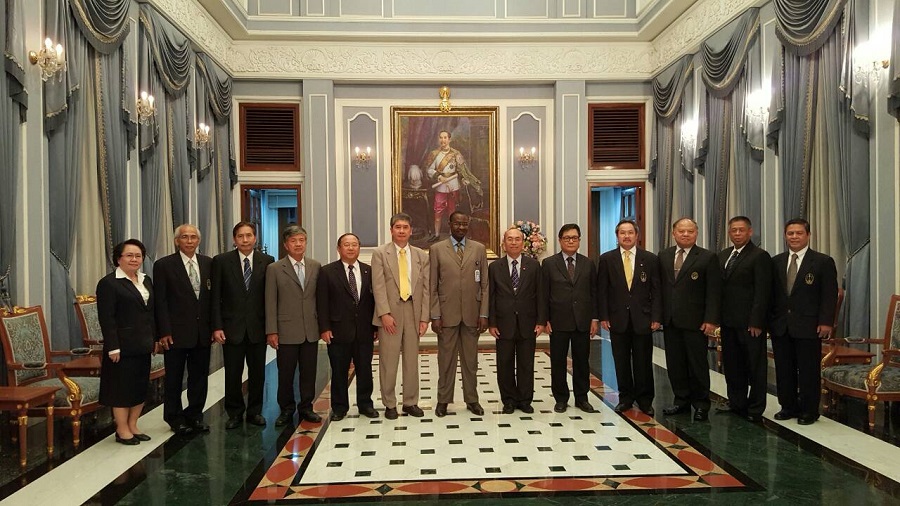
1) Mr. Maman Bachir Yahaya, Councillor of State of Niger, from 1 -15 November 2015;
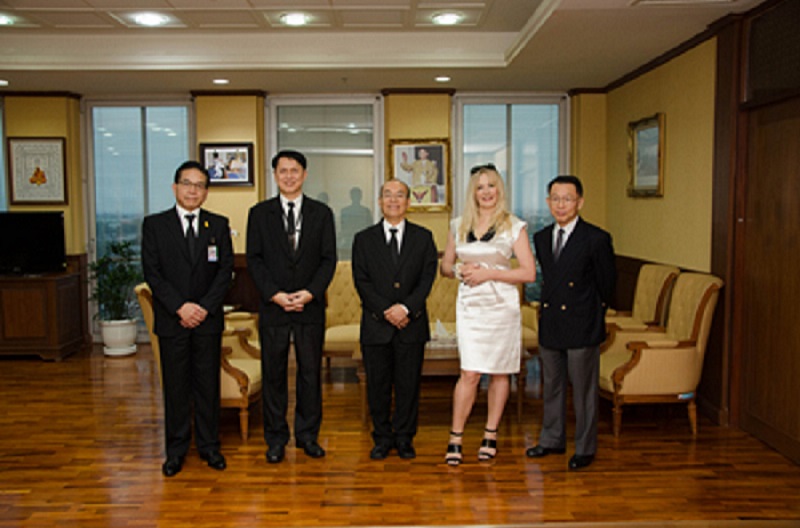
2) Mrs. Małgorzata Wolf-Kalamala, judge, Supreme Administrative Court of Poland from 21 November - 2 December 2016;
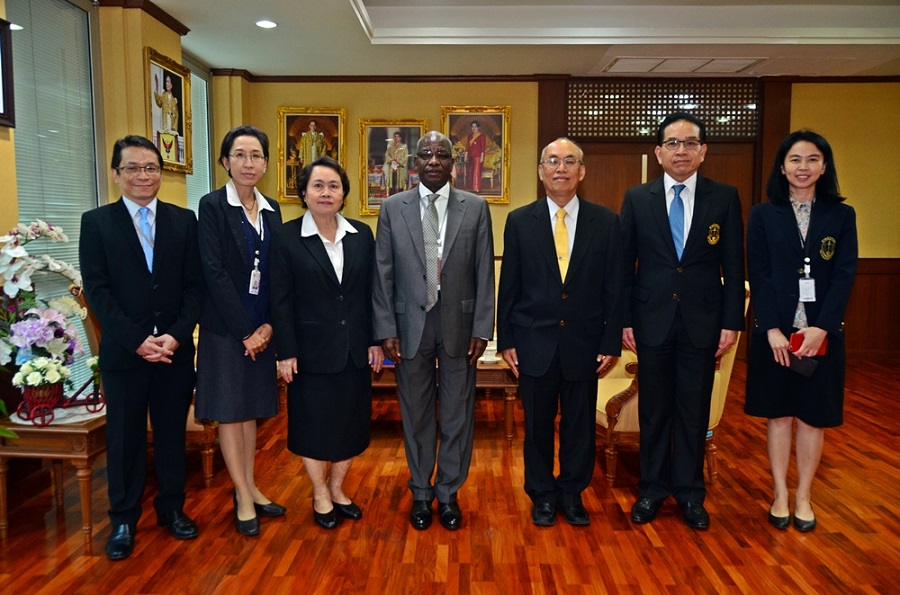
3) Mr. Léon Désiré Zalo, judge of the administrative section, Supreme Court of Côte d’Ivoire from 18 November – 3 December 2017;
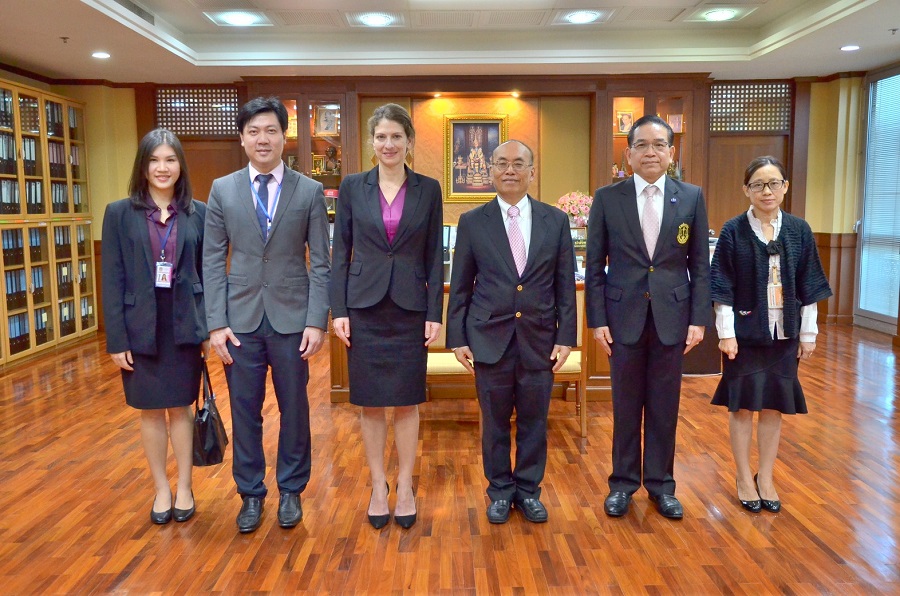
4) Ms. Aliki Pasipoularidou, auditor of the Council of State of Greece, from 9 – 22 December 2018; and
5) Mrs. Fatouma Bouzegzi, councilor of the Council of State of Algeria, from 2 – 16 November 2019.
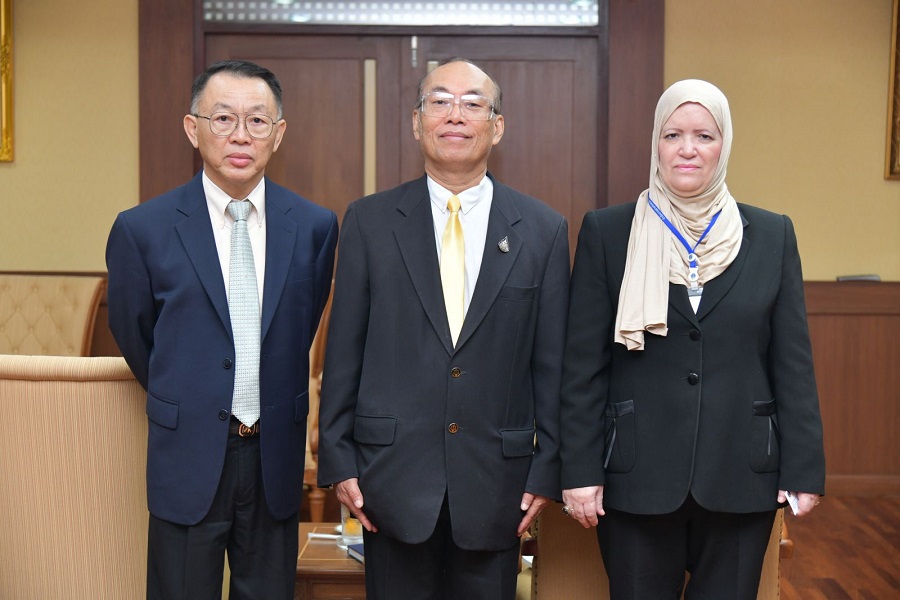
D. Benefits to the Administrative Court of Thailand derives from being a Member of IASAJ
By being a member of the International Association of Supreme Administrative Jurisdictions, the Administrative Court of Thailand gains and shares technical knowledge on administrative law whether in the form of sharing experiences and opinions with courts or judicial organizations in foreign countries or through cooperation among judges or court officials in study and research into administrative law or exchanging knowledge on ways to decide on administrative cases. All of these can be used to develop administrative law in Thailand in the future, especially by studying final judgments of administrative cases in IASAJ members.
The participation of the Administrative Court as a member in the Association will be an assurance to the people in Thailand that adjudication of administrative cases by the Administrative Court will be in accordance with international standards of administrative law. Further, developing administrative law will lead to good administrative practices - one element of “Good Governance”. Good administrative practices will be able to protect the rights and liberties of the Thai people and balance them against the common good. It will also contribute to the Thai nation and the Thai people becoming more well-known in international forums relating to administrative law and demonstrate to the world community the potential of our country to be one of the countries in the Asian region that has developed a good system of administrative law. We can also show that, in the future, Thailand may become a knowledge center on administrative law for this region.
As of July 2022