Judge of the Central Administrative Court Joins "Seminar for Judges from ASEAN Countries" in the People’s Republic of China
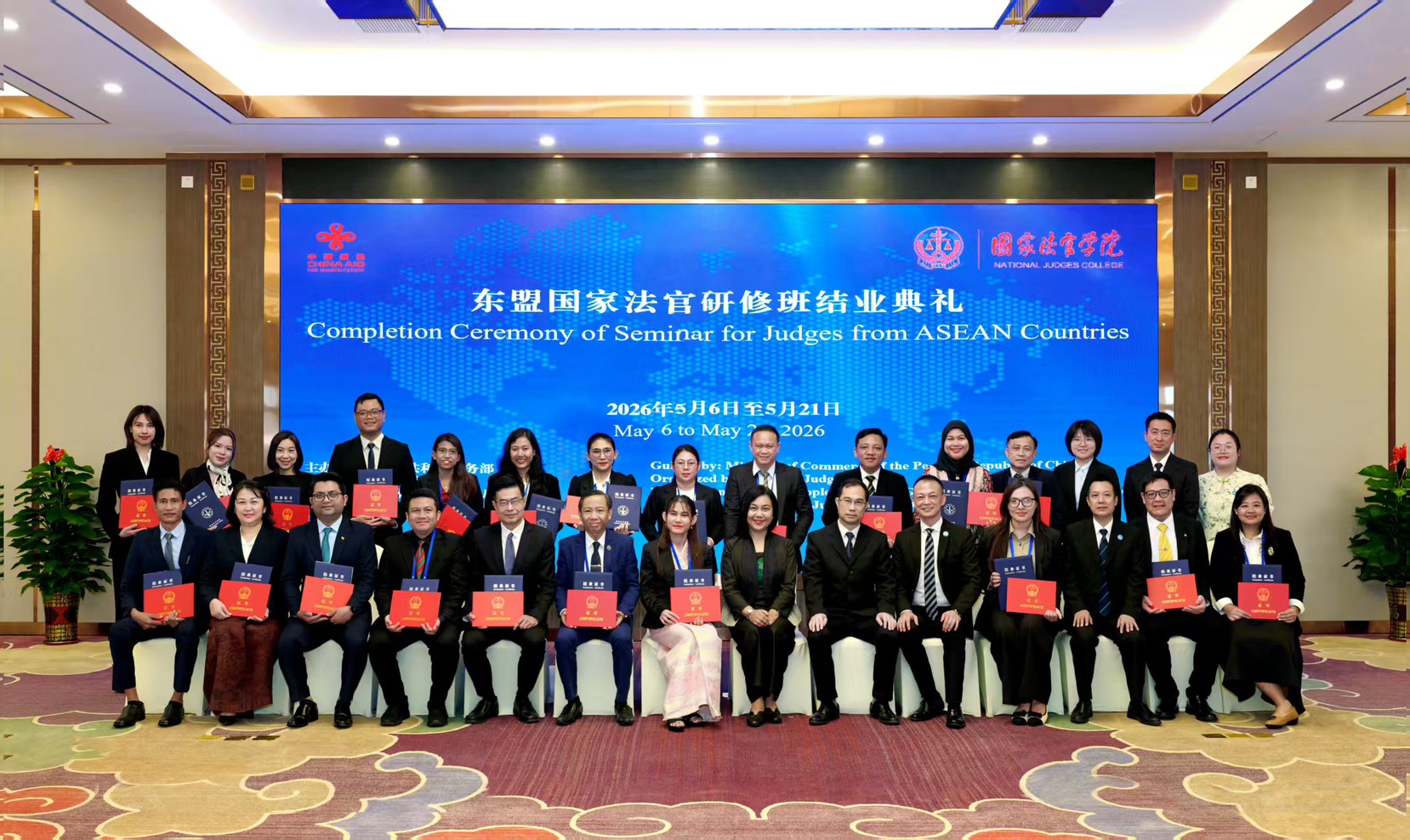
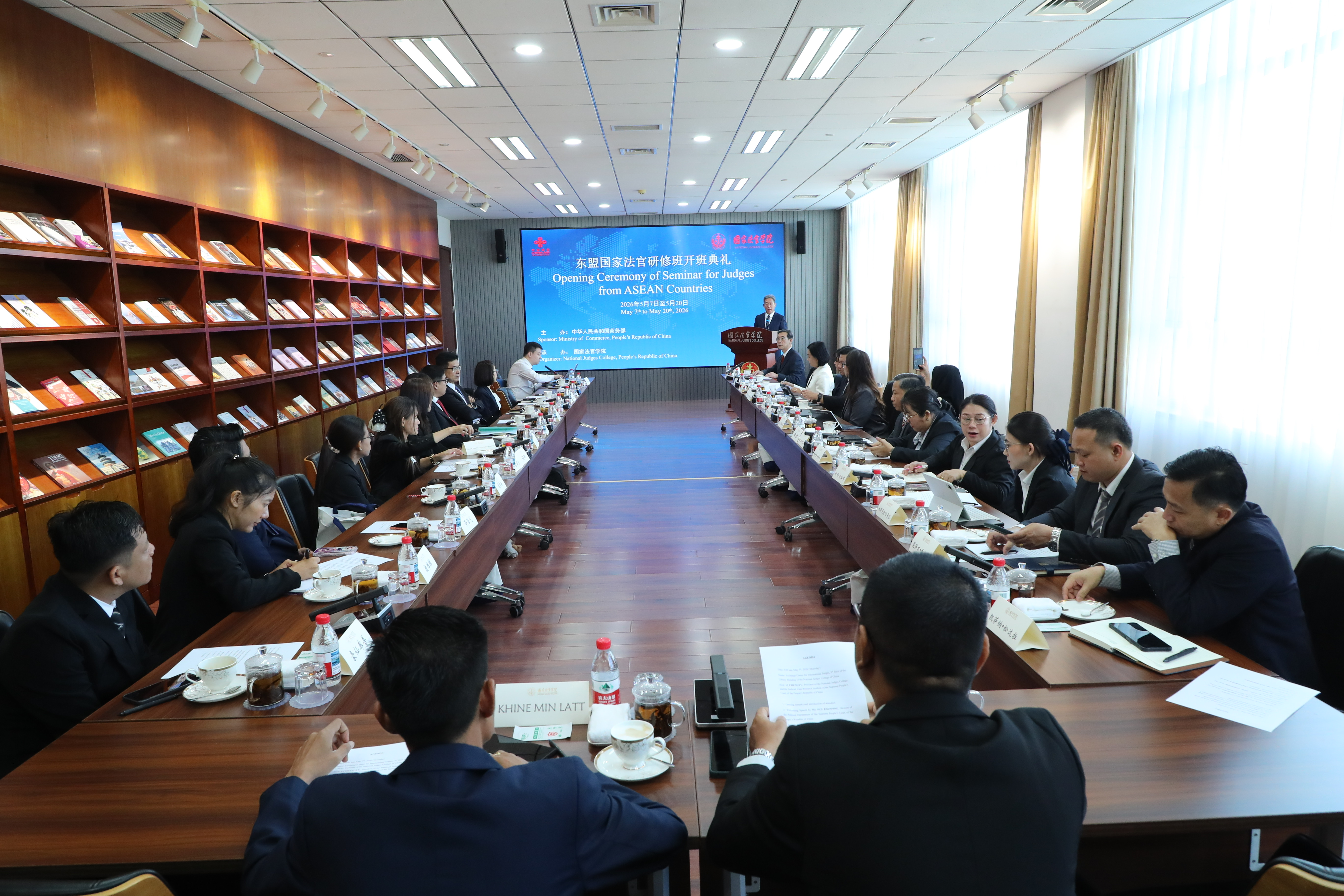
From 7 to 20 May 2026, the President of the Supreme Administrative Court commissioned Mr. Churtwut Sinpimonboon, Judge of the Central Administrative Court, to represent the Administrative Court at the "Seminar for Judges from ASEAN Countries." The seminar was held at the National Judges College in Beijing and Nanning, Guangxi Zhuang Autonomous Region, the People’s Republic of China. The program aimed to foster technical cooperation and the exchange of judicial experiences between ASEAN member states and China, while deepening the understanding of the modern Chinese legal system and its judicial developments.
Organized by the National Judges College, the seminar welcomed participants from various ASEAN countries, including Indonesia, Lao PDR, Myanmar, and Thailand. Representing Thailand, the invited agencies included the Administrative Court, the Court of Justice, and the Royal Thai Police.
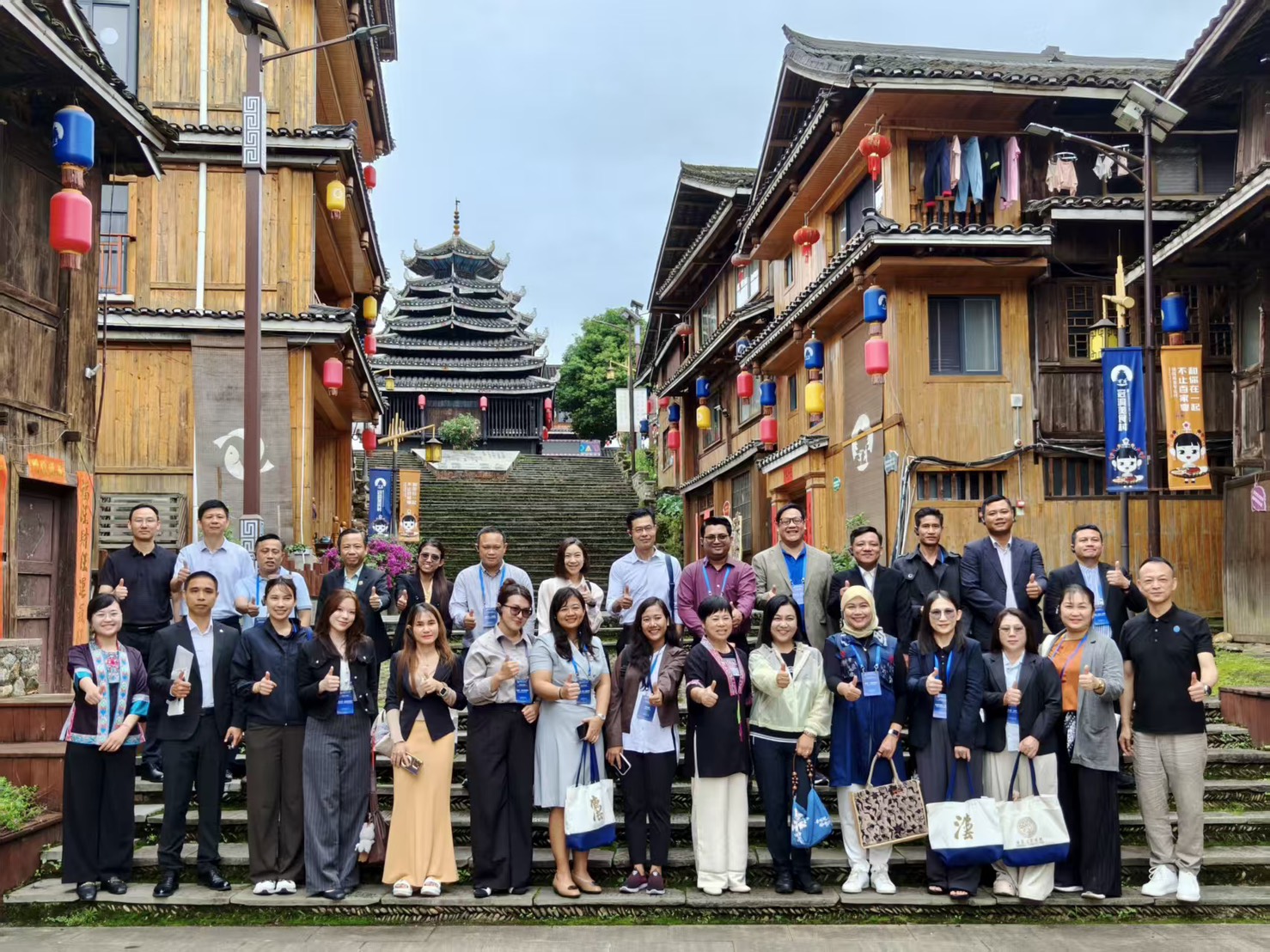
Throughout the seminar, delegates attended lectures on legal frameworks, judicial processes, and the integration of modern technology in court administration. The program also covered Chinese legal culture and modern legal philosophies. Furthermore, participants conducted study visits to the Supreme People’s Court of the People’s Republic of China and various local people’s courts, alongside visits to key cultural and economic landmarks. These activities provided a comprehensive perspective on the legal system within the social and cultural context of the People’s Republic of China.
Furthermore, the National Judges College in Beijing and its Guangxi Branch extended an exceptionally warm welcome and hospitality to the delegates. Their outstanding support in terms of facilities, seamless coordination, and venue preparation was conducted with the utmost efficiency, courtesy, and formal etiquette. This exemplary support truly reflects the host's commitment to fostering a constructive environment for collaboration and the exchange of ideas, which significantly contributed to the overall success of the seminar.